
Faculty API ID: 2
Faculty of Classical Oriental Philology
Oriental Languages, Source Studies, Literature, and TranslationVia API
Academic staff
FACULTY OF CLASSICAL ORIENTAL PHILOLOGY
The Faculty of Classical Oriental Philology was established in 2018 as part of the International Islamic Studies Academy of Uzbekistan. The faculty is engaged in teaching classical oriental philology and philological directions of the Islamic Renaissance period, researching their history, the role and significance in oriental literature and linguistics, studying language and literary styles reflecting national literary theories related to history, literature, Islamic humanism, and universal values, conducting fundamental research in textology and manuscript sources in the field of classical oriental philology, as well as enhancing the university's potential, implementing investment programs, and practically organizing educational, scientific-research, scientific-methodological, scientific, and innovative activities.
At the same time, the faculty develops electronic books, practical manuals, educational-methodological materials, and scientific works (monographs, textbooks, scientific collections) widely using materials from republican and international conferences. To train highly qualified specialists, the educational process based on advanced global experience involving the exchange of professors, students, and researchers is being gradually planned and implemented (extensive use of interactive teaching methods, dual education, internships, short- and long-term experience acquisition systems). In my opinion, this is a promising approach.
The faculty is an educational-scientific structural unit of the Academy preparing highly qualified personnel in the fields of “Philology and Language Teaching,” “Textology and Literary Source Studies,” “Psychology (Religious Sociopsychology),” and “Psychology.”
To date, 337 graduates (232 female, 105 male) have received diplomas from the International Islamic Studies Academy of Uzbekistan in the bachelor’s programs of “Philology and Language Teaching” and “Psychology (Religious Sociopsychology).”
The faculty includes the departments of “Uzbek and Foreign Languages,” “Arabic Language and Literature al-Azhar,” and “Psychology of Religion and Pedagogy.”
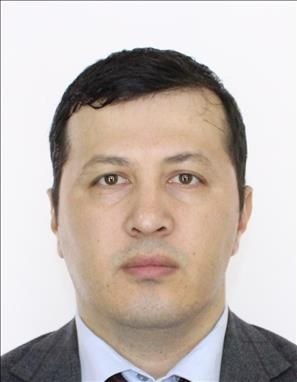
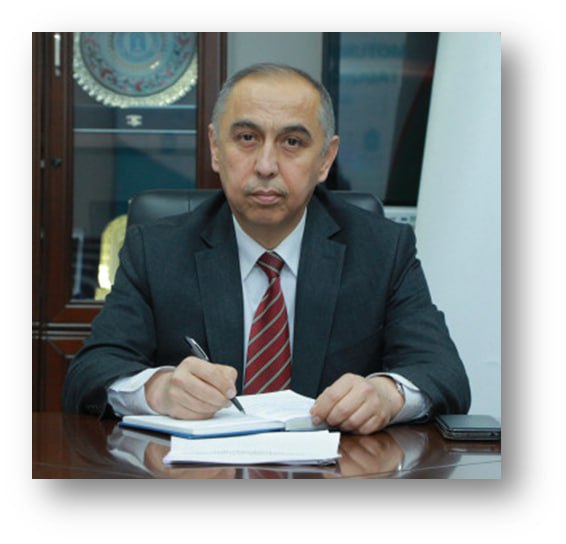
Faculty Dean: Candidate of Pedagogical Sciences, Associate Professor Mirziyotov Ilyos Mirg‘iyosovich.
Deputy Dean for Youth Affairs and Spiritual-Enlightenment Work: Ruzimova Nigina Muxamedovna.
Deputy Dean for Academic Affairs: Abdullajonov Navro‘zbek Azimjon o‘g‘li.
The Department of “Psychology of Religion and Pedagogy” was established in 2018 within the Faculty of Classical Oriental Philology. The department trains specialists in the fields of 60310300-Psychology, 60310900-Psychology (Religious Sociopsychology), and 70310301-Psychology. The department aims to prepare specialists capable of demonstrating professional competencies in society regarding radicalization in the religious sphere, psychological manipulation, deradicalization, and resocialization processes.
Currently, 17 professors and lecturers work on the main staff of the department. The department’s scientific potential is 100%, including 5 Doctors of Science (DSc), 5 professors, 12 Candidates of Science (PhD), and 12 associate professors. Additionally, foreign specialists have been involved to apply international experience in the department’s activities.
Department Head: Candidate of Pedagogical Sciences, Professor Kasimova Zebo Hamidovna.
The Department of “Arabic Language and Literature al-Azhar” was established in 2018 within the Faculty of Classical Oriental Philology. The master’s specialties under the department are coded 70230101 – Linguistics (Oriental languages) and 70230105 – Textology and Literary Source Studies; bachelor’s specialties are coded 60230100 – Philology and Language Teaching (Arabic) and 60230300 – Textology and Literary Source Studies.
Professional fields: This is a social-humanitarian direction, and graduates engage in studying classical literary heritage samples preserved in national and international manuscript funds, museums, and archives. Additionally, the main directions include developing principles for preparing compiled and critical editions of ancient manuscript texts; theoretical and practical foundations, vocabulary richness of old Uzbek, Arabic, and Persian languages; and researching sources created in these languages.
Professional duties: Graduates should be capable of performing the following professional tasks:
- Scientific-research activity: Conduct fundamental research based on primary sources of oriental languages, prepare electronic versions and monographic descriptions of manuscripts and printed books, create scientific reviews and write critiques.
- Spiritual-enlightenment activity: Plan spiritual-enlightenment work, develop immunity in youth against information attacks, explain the role and impact of written spiritual heritage in society.
- Organizational-management activity: Work as museologists and archivists in state and private museums or archives, organize and lead various events to popularize classical heritage.
- Pedagogical activity: Conduct theoretical and practical classes in higher education institutions in the relevant fields (textology, source studies, literary history, Arabic language, etc.).
- Consulting activity: Perform translation work in oriental and western languages, conduct expert evaluations of electronic video and audio products, projects, and literature.
Scientific potential and classification of teachers: The department’s scientific potential is 70%. There are 30 professors and lecturers on the main staff. According to scientific degrees: 3 professors; 1 Doctor of Science (DSc); 16 Candidates of Science (PhD, including 10 associate professors, 6 other associate professors); 10 senior lecturers.
Department Head: Doctor of Historical Sciences (DSc), Professor Matibayeva Roziya Baltabayevna.
The Department of “Uzbek and Foreign Languages” was established in 2018 within the Faculty of Classical Oriental Philology under the name “Western Languages.” Due to structural changes, by decision of the Academy Council dated September 6, 2024, the department was renamed “Uzbek and Foreign Languages.” The main content of the department’s activities includes translating scientific sources related to Islamic studies and religious studies in Uzbek, English, Russian, and Persian languages, contributing to interstate communication processes, scientific and spiritual exchange, and improving educational effectiveness.
Currently, the department’s main staff includes 1 professor, 10 associate professors, Doctors of Philosophy (PhD), Candidates of Philosophy (Phd), 7 senior lecturers, and 1 lecturer.
The department’s professors and lecturers regularly participate actively in scientific-practical conferences held abroad and in our republic. Round tables and trainings are held with partner organizations. To date, department members have published 18 monographs, over 350 scientific articles in journals under the Higher Attestation Commission, 2 educational-methodological manuals, 74 educational guides, and nearly 350 articles in journals indexed in international scientific-technical databases such as Scopus and Web of Science, as well as foreign journals.
Additionally, to further enhance students’ professional knowledge, clubs have been organized at the department. They include:
• Road to IELTS;
• Debate club;
• Speaking club;
• Reading;
• Развитие разговорной русской речи (Development of Spoken Russian);
• Русский язык как второй язык специальности (Russian as a Second Language for the Specialty);
• Русский язык для начинающих и продолжающих (Russian for Beginners and Continuing);
• Persian language clubs.
Department Head: Doctor of Philology, PhD, Associate Professor Shamsematova Barno Rixsivayevna.
The Faculty of Classical Oriental Philology was established in 2018 as part of the International Islamic Studies Academy of Uzbekistan. The faculty is engaged in teaching classical oriental philology and philological directions of the Islamic Renaissance period, researching their history, the role and significance in oriental literature and linguistics, studying language and literary styles reflecting national literary theories related to history, literature, Islamic humanism, and universal values, conducting fundamental research in textology and manuscript sources in the field of classical oriental philology, as well as enhancing the university's potential, implementing investment programs, and practically organizing educational, scientific-research, scientific-methodological, scientific, and innovative activities.
At the same time, the faculty develops electronic books, practical manuals, educational-methodological materials, and scientific works (monographs, textbooks, scientific collections) widely using materials from republican and international conferences. To train highly qualified specialists, the educational process based on advanced global experience involving the exchange of professors, students, and researchers is being gradually planned and implemented (extensive use of interactive teaching methods, dual education, internships, short- and long-term experience acquisition systems). In my opinion, this is a promising approach.
The faculty is an educational-scientific structural unit of the Academy preparing highly qualified personnel in the fields of “Philology and Language Teaching,” “Textology and Literary Source Studies,” “Psychology (Religious Sociopsychology),” and “Psychology.”
To date, 337 graduates (232 female, 105 male) have received diplomas from the International Islamic Studies Academy of Uzbekistan in the bachelor’s programs of “Philology and Language Teaching” and “Psychology (Religious Sociopsychology).”
The faculty includes the departments of “Uzbek and Foreign Languages,” “Arabic Language and Literature al-Azhar,” and “Psychology of Religion and Pedagogy.”
Faculty Dean: Candidate of Pedagogical Sciences, Associate Professor Mirziyotov Ilyos Mirg‘iyosovich.
Deputy Dean for Youth Affairs and Spiritual-Enlightenment Work: Ruzimova Nigina Muxamedovna.
Deputy Dean for Academic Affairs: Abdullajonov Navro‘zbek Azimjon o‘g‘li.
The Department of “Psychology of Religion and Pedagogy” was established in 2018 within the Faculty of Classical Oriental Philology. The department trains specialists in the fields of 60310300-Psychology, 60310900-Psychology (Religious Sociopsychology), and 70310301-Psychology. The department aims to prepare specialists capable of demonstrating professional competencies in society regarding radicalization in the religious sphere, psychological manipulation, deradicalization, and resocialization processes.
Currently, 17 professors and lecturers work on the main staff of the department. The department’s scientific potential is 100%, including 5 Doctors of Science (DSc), 5 professors, 12 Candidates of Science (PhD), and 12 associate professors. Additionally, foreign specialists have been involved to apply international experience in the department’s activities.
Department Head: Candidate of Pedagogical Sciences, Professor Kasimova Zebo Hamidovna.
The Department of “Arabic Language and Literature al-Azhar” was established in 2018 within the Faculty of Classical Oriental Philology. The master’s specialties under the department are coded 70230101 – Linguistics (Oriental languages) and 70230105 – Textology and Literary Source Studies; bachelor’s specialties are coded 60230100 – Philology and Language Teaching (Arabic) and 60230300 – Textology and Literary Source Studies.
Professional fields: This is a social-humanitarian direction, and graduates engage in studying classical literary heritage samples preserved in national and international manuscript funds, museums, and archives. Additionally, the main directions include developing principles for preparing compiled and critical editions of ancient manuscript texts; theoretical and practical foundations, vocabulary richness of old Uzbek, Arabic, and Persian languages; and researching sources created in these languages.
Professional duties: Graduates should be capable of performing the following professional tasks:
- Scientific-research activity: Conduct fundamental research based on primary sources of oriental languages, prepare electronic versions and monographic descriptions of manuscripts and printed books, create scientific reviews and write critiques.
- Spiritual-enlightenment activity: Plan spiritual-enlightenment work, develop immunity in youth against information attacks, explain the role and impact of written spiritual heritage in society.
- Organizational-management activity: Work as museologists and archivists in state and private museums or archives, organize and lead various events to popularize classical heritage.
- Pedagogical activity: Conduct theoretical and practical classes in higher education institutions in the relevant fields (textology, source studies, literary history, Arabic language, etc.).
- Consulting activity: Perform translation work in oriental and western languages, conduct expert evaluations of electronic video and audio products, projects, and literature.
Scientific potential and classification of teachers: The department’s scientific potential is 70%. There are 30 professors and lecturers on the main staff. According to scientific degrees: 3 professors; 1 Doctor of Science (DSc); 16 Candidates of Science (PhD, including 10 associate professors, 6 other associate professors); 10 senior lecturers.
Department Head: Doctor of Historical Sciences (DSc), Professor Matibayeva Roziya Baltabayevna.
The Department of “Uzbek and Foreign Languages” was established in 2018 within the Faculty of Classical Oriental Philology under the name “Western Languages.” Due to structural changes, by decision of the Academy Council dated September 6, 2024, the department was renamed “Uzbek and Foreign Languages.” The main content of the department’s activities includes translating scientific sources related to Islamic studies and religious studies in Uzbek, English, Russian, and Persian languages, contributing to interstate communication processes, scientific and spiritual exchange, and improving educational effectiveness.
Currently, the department’s main staff includes 1 professor, 10 associate professors, Doctors of Philosophy (PhD), Candidates of Philosophy (Phd), 7 senior lecturers, and 1 lecturer.
The department’s professors and lecturers regularly participate actively in scientific-practical conferences held abroad and in our republic. Round tables and trainings are held with partner organizations. To date, department members have published 18 monographs, over 350 scientific articles in journals under the Higher Attestation Commission, 2 educational-methodological manuals, 74 educational guides, and nearly 350 articles in journals indexed in international scientific-technical databases such as Scopus and Web of Science, as well as foreign journals.
Additionally, to further enhance students’ professional knowledge, clubs have been organized at the department. They include:
• Road to IELTS;
• Debate club;
• Speaking club;
• Reading;
• Развитие разговорной русской речи (Development of Spoken Russian);
• Русский язык как второй язык специальности (Russian as a Second Language for the Specialty);
• Русский язык для начинающих и продолжающих (Russian for Beginners and Continuing);
• Persian language clubs.
Department Head: Doctor of Philology, PhD, Associate Professor Shamsematova Barno Rixsivayevna.